What Is Car Finance and How Does It Work?
Car finance is a broad term for borrowing money to buy a vehicle and repaying it over an agreed term. In Australia, the most common structure is a secured car loan, where the vehicle acts as security for the lender. Some borrowers instead use an unsecured personal loan, and business owners may look at commercial vehicle finance if the car, ute or van is mainly for work.
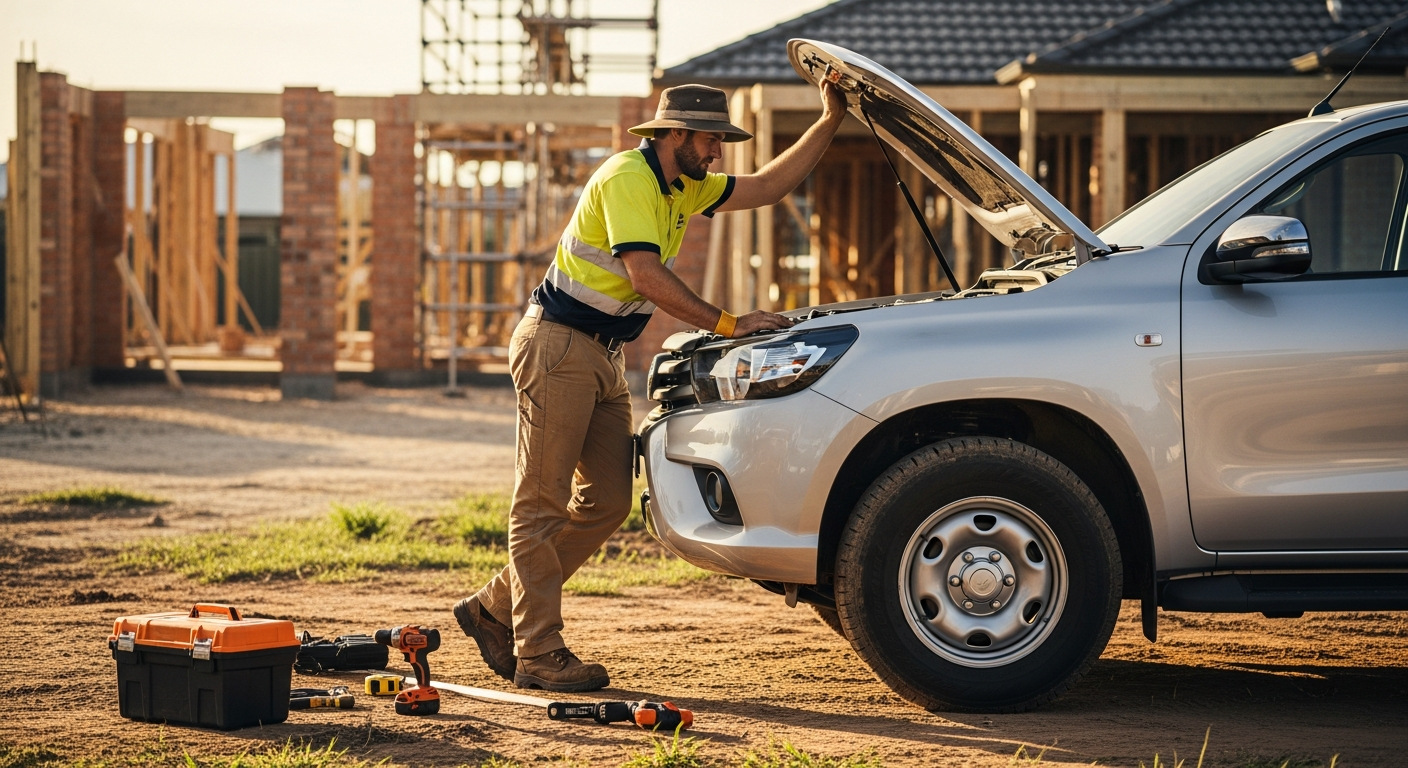
The right structure often depends on three things: what you are buying, how you will use it, and what fits comfortably within your budget. A Sydney family buying a seven-seat SUV for school drop-offs has different needs to a Perth tradie replacing a dual-cab ute or a small business owner adding a delivery van. That is why it helps to compare more than just the advertised repayment.
For consumer lending, brokers and lenders must consider responsible lending obligations under the NCCP framework at a high level, which means looking at whether the credit appears suitable for your circumstances. In practice, that usually means reviewing your income, living expenses, existing debts and credit history, along with details about the vehicle itself.
How to Get a Car Loan in Australia
Getting a car loan is usually straightforward when you prepare properly. The key is to line up your budget, paperwork and vehicle choice before you commit.
1. Work out your full vehicle budget
Start with a repayment amount that feels manageable each month, then work backwards. Include registration, insurance, servicing, tyres, fuel or charging, and any accessories you genuinely need. If you already have a car to trade in or some savings for a deposit, that can reduce how much you need to borrow and may improve the overall structure.
2. Decide whether you want a new or used vehicle
Lenders often have different rules around vehicle age, kilometres, imports and private sales. A nearly new car bought from a licensed dealer may fit a wider range of lenders than an older car bought privately. If you are buying second-hand, organise a mechanical inspection and a vehicle history check before settlement.
3. Get your paperwork ready
Most applications will require proof of identity, income and address. PAYG borrowers are often asked for recent payslips and bank statements. Self-employed borrowers may need ABN details, BAS, tax returns or trading bank statements. Having documents ready can speed up the process and reduce unnecessary back-and-forth.
4. Compare structure, not just repayments
Look at the loan term, whether the loan is secured or unsecured, whether there is a deposit or trade-in, and whether a balloon payment is being used to reduce regular repayments. Pre-approval can be useful before you shop, but it is usually conditional on your documents and the vehicle meeting lender requirements. A low-looking repayment is not always the cheapest or safest option over the full term.
5. Apply, review the approval and settle carefully
Once you have conditional or formal approval, review the details carefully before signing. Check the seller information, make sure the vehicle matches the approval, and arrange comprehensive insurance if required before delivery. For private sales, the lender may need extra steps at settlement, including verifying ownership and payout details.
Types of Car Finance Options
Not every car loan works the same way. Here are the main structures Australians commonly consider.
Secured car loans
This is often the first option for a standard vehicle purchase. Because the car is used as security, secured finance can be a practical fit for new and late-model used vehicles. The trade-off is that if repayments are not maintained, the lender may have rights over the vehicle.
Unsecured personal loans
These can suit some older vehicles or borrowers who want flexibility, but they may come with different pricing, limits and assessment standards. Because the lender is not taking security over the car, your personal credit profile can play an even bigger role.
Commercial vehicle finance
If you are a sole trader, company or partnership buying a vehicle mainly for business use, a commercial structure may be worth discussing. This can be relevant for utes, vans and passenger vehicles used in the business. If tax treatment matters, speak with your accountant about ATO record-keeping, GST and deductions before choosing the ownership structure.
Novated leasing
Employees sometimes explore novated leases through salary packaging. This can work well in some situations, but it is not automatically the simplest or cheapest option for every borrower. It makes sense to compare it against a standard car loan based on your goals and expected vehicle use.
Pros, Cons and Risks of Car Finance
Potential advantages
Car finance can preserve your savings, which may matter if you would rather keep a cash buffer for emergencies, a renovation or business working capital. It can also help you step into a safer or more reliable vehicle sooner, rather than waiting years to save the full purchase price. For many households, regular repayments also make budgeting easier.
Potential downsides
You will usually pay more than the cash price over time once interest and fees are included. Cars also depreciate, which means the vehicle can lose value faster than many buyers expect, particularly in the early years. If the loan term is too long or a balloon payment is too large, you may still owe a meaningful amount when the car is worth less than the balance.
Key risks to watch
The biggest mistakes are often borrowing too much, focusing only on a low-looking repayment, and stretching the term beyond the useful life of the car. There is also practical risk in private sales if you skip a mechanical inspection or history check. If you fall behind on a secured loan, recovery action may affect both your credit file and your ability to keep the car.
Should You Finance or Pay Cash for a Car?
There is no universal winner. Financing can make sense when you want to keep savings available, need a reliable vehicle for work, or prefer to spread the cost of a larger purchase over time. An electrician replacing a ute that generates income is a very different case to someone buying a second weekend car.
Paying cash may be attractive if you are buying a cheaper used car, want to avoid debt altogether, or would be forced into an uncomfortable loan term to make the numbers work. The better question is not whether finance is good or bad in general, but whether the purchase, loan size and structure are sustainable for your circumstances.
Eligibility for Car Finance: What Lenders Usually Look For
While every lender has its own policy, there are some common themes in car finance assessment.
Income and employment
PAYG applicants are usually asked for recent payslips and sometimes bank statements. Self-employed borrowers may need ABN details, BAS, tax returns or trading bank statements. Stable income generally gives lenders more comfort than irregular income with no clear explanation.
Credit history and existing debts
Lenders often look at your credit file, repayment conduct and how much other debt you already service, including credit cards, personal loans and buy now pay later accounts. Past credit issues do not always end the conversation, but they can narrow your options and affect the structure you are offered.
Living expenses and savings behaviour
Responsible lending checks are not just about income. Lenders also want to understand your regular expenses and whether the proposed repayment looks realistic. A deposit is not always essential, but genuine savings, a trade-in or a clean banking history can help strengthen an application.
The vehicle itself
Vehicle age, kilometres, type and source matter. A mainstream car bought from a licensed dealer may fit more lender policies than an older vehicle, a grey import or a private sale with incomplete records. If you are buying for business use, the business structure and vehicle purpose may also be relevant.
Costs and Features to Compare Before You Apply
A good car finance comparison goes beyond the headline rate or the weekly repayment. Look at the full picture.
Loan term
A longer term can reduce the repayment amount but increase the total cost over the life of the loan. It can also leave you paying off a car long after the novelty has worn off. Matching the term sensibly to the vehicle and your budget is important.
Deposit, trade-in and balloon payment
A deposit or trade-in can reduce the amount borrowed. Some borrowers also choose a balloon or residual payment to lower regular repayments, but this creates a lump sum at the end that must be paid, refinanced or dealt with by selling the vehicle. That option suits some buyers better than others.
Fees, flexibility and repayment timing
Check establishment fees, ongoing fees, early payout conditions and whether you can make extra repayments without issue. Also consider whether weekly, fortnightly or monthly repayments line up best with your pay cycle. Small structure choices can make a meaningful difference to cash flow.
Total ownership costs
Remember that the loan is only one part of the vehicle budget. Insurance, registration, fuel, charging, servicing, tyres and repairs all matter. If a repayment only works by ignoring those running costs, it may not be the right fit.
Is It Better to Finance a New or Used Car?
New cars and used cars each have trade-offs. New vehicles can offer warranty support, newer safety technology and less uncertainty around maintenance, but they usually come with a higher purchase price and often faster early depreciation. Used cars can deliver better value if you buy well, but condition varies and due diligence matters more.
For a young family in Adelaide, a late-model used SUV with a good service history may be the sweet spot between safety and affordability. For a mobile business owner who cannot afford downtime, buying newer may be worth the extra outlay if reliability is critical.
Dealer purchase versus private sale
Buying from a dealer can be more straightforward from a paperwork perspective, while a private sale may offer a sharper price. If you are buying privately, confirm the seller's identity, check the vehicle history, and organise an inspection. A PPSR search and mechanical review can help reduce the risk of buying a stolen, written-off or encumbered vehicle.
How GO2 Finance Helps with Car Loans
GO2 Finance helps Australians compare vehicle finance options without having to rely on a single lender's product range. Brent and the team take the time to understand what you are buying, how the vehicle will be used, whether you are borrowing as an individual or through a business, and what repayment range feels manageable.
That matters because the best structure for a family hatchback is not always the same as the best structure for a work ute, delivery van or prestige vehicle. GO2 Finance can help you sort through the practical issues, prepare the right documents and understand the trade-offs between loan terms, deposits, balloon payments and vehicle eligibility.
If you want help before you visit a dealership or commit to a private sale, speak with Brent and the GO2 Finance team or start your application online. A short conversation upfront can save time, reduce back-and-forth and help you avoid choosing a structure that does not suit your goals.
You can also learn more about Brent here if you would like to understand the broker support available before you move ahead.
Why Choose GO2 Finance for Car Loans
Choosing a broker is about more than access to lenders. It is also about having someone in your corner who can explain the process clearly and keep things moving.
- Practical help for everyday Australian borrowers, including families, first-time buyers, tradies and small business owners.
- Support across personal and business-use vehicle scenarios, rather than a one-size-fits-all approach.
- Clear communication on documents, timeframes and the difference between loan structures.
- A streamlined process that can help you avoid applying blindly with multiple lenders and creating unnecessary credit enquiries.
- Local knowledge and a focus on service, with help available online and over the phone across Australia.
Whether you are upgrading the family car, replacing a business vehicle or buying your first used runabout, GO2 Finance aims to make the process easier to understand and easier to manage.
Common Mistakes to Avoid When Financing a Car
One of the most common mistakes is shopping by monthly repayment alone. A lower repayment can hide a longer term, a larger balloon payment or a higher total cost. Another frequent issue is forgetting the extra costs of ownership, especially insurance and servicing.
Buyers also run into trouble when they rush the vehicle choice itself. That can mean falling in love with a car before checking whether it fits lender policy, skipping a pre-purchase inspection on a used vehicle, or overlooking the risk of buying privately without proper history checks. If the car has finance owing or hidden damage, the bargain may not feel like one for long.
For self-employed borrowers and business owners, another mistake is choosing the vehicle first and thinking about the ownership structure later. If the vehicle will be used in the business, speak with your accountant about ATO treatment and record-keeping before you decide how to buy it. The finance product, ownership entity and tax outcome should make sense together.
Most importantly, avoid taking on a repayment that only works if everything goes perfectly. Cars are useful assets, but they are still depreciating assets. Give yourself enough breathing room for life to happen.
Car finance can be a practical tool when it is structured properly, but the best option depends on your budget, your credit profile, the vehicle you want and how you plan to use it. This article is general information only and does not take into account your personal objectives, financial situation or needs. Lender criteria, fees and product features vary, so it is worth getting tailored guidance before you proceed.
Ready to explore your options? Contact GO2 Finance today for a free, no-obligation chat. Get in touch here or apply online in minutes.